Plastic packaging materials are one of the most important applications of masterbatch. These materials are lightweight yet have excellent mechanical properties, appropriate barrier and permeability characteristics, good chemical stability, excellent moldability, and low processing costs. Additionally, they have good secondary processing and decorative properties, which is why plastic packaging has become the most widely used and versatile packaging material compared to metals, ceramics, paper, plastic, and fibers.

Masterbatch Solutions to Improve the Applicability of Plastic Packaging
The purpose of packaging is to protect items, facilitate usage, and provide product information. During the molding and processing of plastic packaging, by adding plastic masterbatch, it not only provides the required color but also improves processing performance and fastness properties of the plastic (e.g., light resistance, heat resistance, migration resistance). Additionally, it can add other functional features (e.g., flame retardancy, antibacterial properties, antistatic properties, and barrier properties), offering an ideal solution to enhance the applicability of plastic packaging.
Classification of Masterbatch
Masterbatch used in plastic packaging can be roughly divided into two categories based on the additive composition:
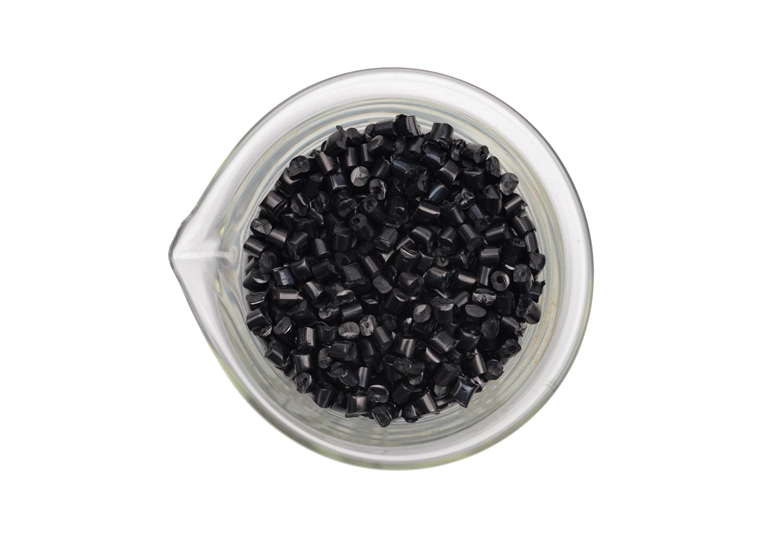
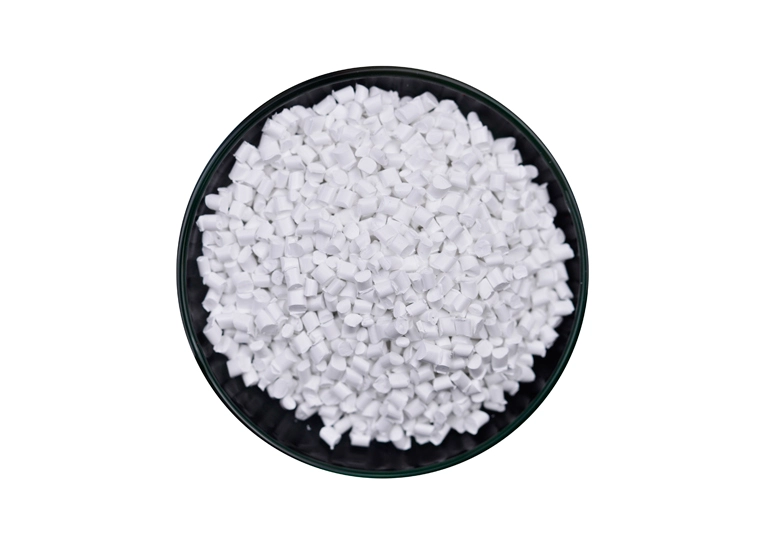
Color Masterbatch
Color masterbatch is the most widely used coloring method in plastic. Different colorants impart different color properties to plastic products, such as hue, coloring power, opacity, transparency, color fastness (e.g., light fastness, weather resistance, solvent resistance, migration resistance, heat resistance), etc.
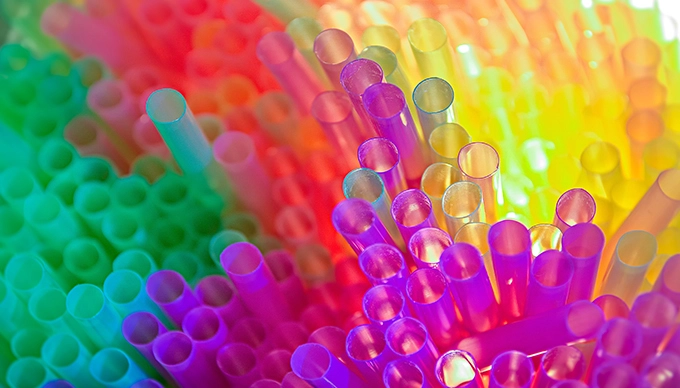
For plastic packaging, coloring is not only about meeting basic color identification requirements; it is more about attracting consumers' attention to the packaging product, which helps promote sales. Color masterbatch can be customized to provide packaging manufacturers with the required colors.
In addition to traditional non-color series like white, black, gray, and common colors such as red, orange, yellow, green, blue, purple, brown, etc., special color effects can be provided, such as pearlescent effects, metallic textures, multi-angle color change effects, thermochromic effects, photochromic effects, whitening effects, glow-in-the-dark effects, fluorescent effects, marble patterns, wood grain effects, glitter or speckled effects, etc. These unique visual appearances enhance the product's appeal.

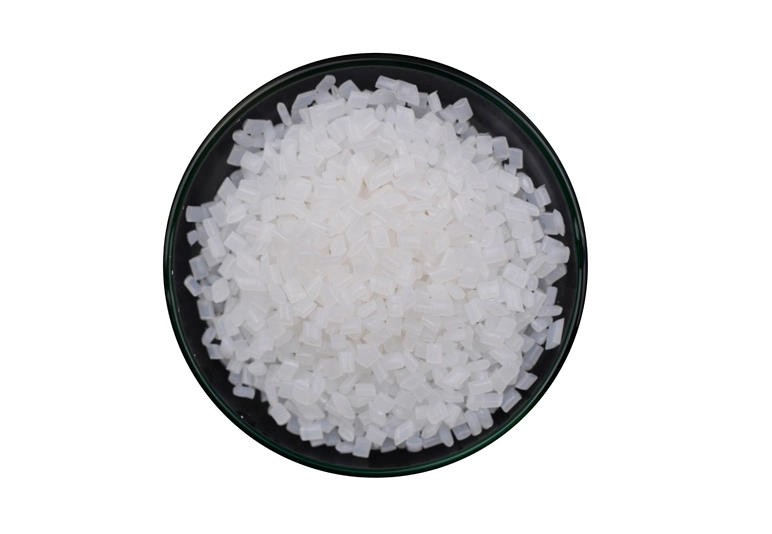
Functional Masterbatch
Functional masterbatch contains additives that provide functions other than color. The specific function depends on the active ingredients. These functions can be classified into three categories:
Generally, masterbatch provides a single function. For example, color masterbatch provides color, and antistatic masterbatch provides antistatic properties. Sometimes, based on the product's end-use requirements, dual or multi-functional masterbatch may be needed. For example, masterbatch that provides both color and anti-aging properties can combine colorant and anti-aging additives into a single masterbatch.
Improving Plastic Molding and Processing Performance
For example, masterbatch that reduces nozzle caking and eliminates melt fracture, cooling masterbatch that lowers processing temperature, drying masterbatch that absorbs moisture in raw materials, anti-slip masterbatch for film unwinding, anti-block masterbatch for preventing film adhesion, cleaning masterbatch for color change cleaning, and so on. These masterbatches make molding operations easier, improve product quality, enhance production efficiency, and reduce energy consumption.
Improving the Physical and Chemical Properties of Plastic
For example, antioxidant masterbatch that improves heat aging and prevents yellowing, anti-aging masterbatch that improves weather resistance, nucleating or clarifying masterbatch that increases rigidity or transparency, toughening masterbatch that improves mechanical properties, lubricating masterbatch that reduces friction coefficient, and so on.
Enhancing Product Application Functions
Examples include anti static masterbatch that reduces surface resistance, flame retardant masterbatch that improves fire resistance, antibacterial masterbatch, barrier masterbatch for preventing gas migration (such as oxygen, carbon dioxide, and water vapor), biodegradable masterbatch, odor removal masterbatch, flavor enhancement masterbatch, anti-fog masterbatch for packaging films, rustproof masterbatch, laser coding masterbatch, and foaming masterbatch that provides lightweight, heat insulation, sound insulation, and vibration damping properties.

Factors to Consider When Formulating Masterbatch
Masterbatch manufacturers must typically consider several factors when formulating products, including the terminal application requirements, shape of the final product, type and specifications of the molding resin, molding methods and processing conditions, masterbatch addition ratio, regulatory compliance, key performance control requirements, and expected usage quantities.
For instance, if a blue masterbatch is needed for a beverage bottle cap, the manufacturer needs to understand factors such as the type of beverage (e.g., carbonated drink, juice, tea, water), material type (e.g., PP, HDPE), cap type (e.g., single-piece cap, two-piece cap, 38mm cap, 28mm cap), molding method (e.g., injection molding, compression molding), maximum processing temperature, masterbatch addition ratio, color measurement methods (e.g., visual or instrument-based), and whether secondary processing is required (e.g., printing, assembly).
Key Characteristics of High-Quality Plastic Masterbatch
Good-quality plastic masterbatch generally has the following characteristics:
Good compatibility with molding resins.
Excellent dispersion of functional components.
High moldability.
Non-toxic and environmentally friendly, meeting regulatory requirements.
High dilution ratio (i.e., requiring less addition).
Consistent quality between batches.
High cost-performance ratio.
Considerations When Using Masterbatch
The effectiveness of masterbatch depends not only on the quality of the masterbatch itself but also on factors such as the quality of molding raw materials, molding process, equipment, and usage methods. Improper use may lead to molding defects or even waste products. When using masterbatch, the following issues should be considered:
Processing Compatibility
Compatibility with Molding Resin
Masterbatch contains a certain amount of resin, and each type of masterbatch is only suitable for molding resins with which it is compatible. If the masterbatch is incompatible with the resin, molding defects like peeling, delamination, or loss of mechanical properties may occur. Even with compatible resins, large differences in melt flow characteristics may lead to surface defects like flow marks or weld lines.
Compatibility with Plastic Packaging Forms
Plastic packaging comes in many forms, such as films, sheets, bottles, buckets, and caps, each with different dispersion requirements for additives. Thin films and sheets require masterbatch with good dispersion, while thick-walled packaging (e.g., chemical containers) is less sensitive to dispersion quality.
Compatibility with Molding Process
Plastic packaging products vary in size and production speed, and different products have different molding cycle times. For example, beverage bottle caps have a very short molding cycle, while plastic trays may take several minutes. Masterbatch has heat resistance limitations. If a low-heat-resistant masterbatch is used for products with long molding cycles, it may cause color change or burning, affecting product quality.

Regulatory Compliance
The regulatory compliance of plastic masterbatch depends on the materials used. Different industries have different regulatory requirements. For example, packaging for electronics must comply with RoHS, food packaging must meet standards like GB 9685-2016 or FDA regulations, and cosmetic packaging must meet hygiene standards. Products that comply with one industry's regulations should not be used for another industry's packaging, such as food packaging.
Performance Compatibility
Different masterbatches have different performance compatibilities. For example, the color performance of color masterbatch not only depends on the resin being colored but also on the shape of the molded product, the mold, and other auxiliary additives used during molding. The same color masterbatch may show color differences when used on different products. Similarly, the migration resistance of plastic packaging depends on the contents being packaged. Different masterbatches may perform differently depending on the application.
For functional masterbatch, performance can vary based on factors such as effectiveness (e.g., for antistatic masterbatch, there may be quick but short-term effects, slow but long-term effects, or permanent effects). If used incorrectly, the desired effects may not be achieved.
 English