Selecting the correct carrier resin is one of the most important decisions when purchasing color masterbatch, additive masterbatch, or functional compounds. While both polypropylene (PP) and polyethylene (PE) are widely used as carrier materials, they are not interchangeable in every application.
For manufacturers producing plastic products, choosing between PP and PE masterbatch directly affects dispersion quality, processing efficiency, mechanical properties, appearance, and production costs. In many cases, selecting the wrong carrier resin can lead to poor compatibility, product defects, and unnecessary material waste.
When evaluating polypropylene masterbatch and PE-based masterbatch solutions, buyers should focus on compatibility with the base polymer, processing conditions, end-use requirements, and long-term performance rather than simply comparing prices.
What Is a Carrier Resin in Masterbatch?
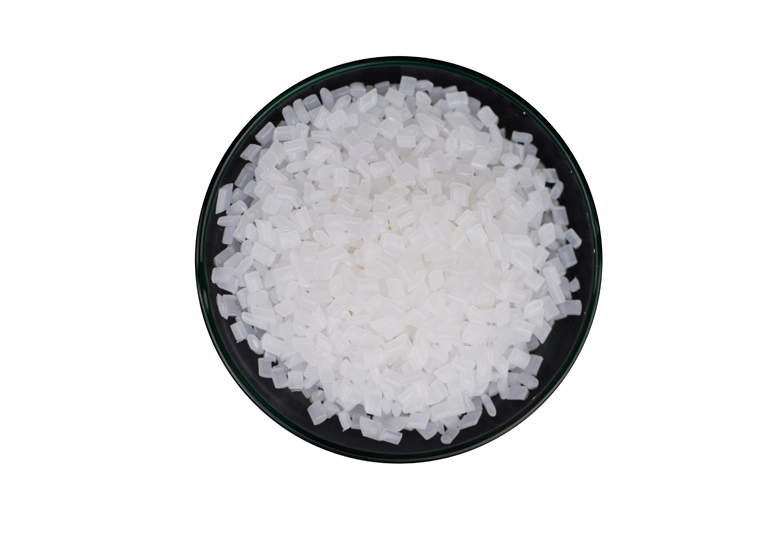
A carrier resin serves as the medium that delivers pigments, fillers, and additives into the final plastic product. The carrier must melt and blend effectively with the base polymer to ensure uniform dispersion.
A typical masterbatch consists of:
Carrier resin
Pigments or additives
Dispersing agents
Processing aids
The carrier resin plays a critical role because it determines how well the masterbatch integrates into the final plastic material.
Polypropylene masterbatch uses polypropylene resin as the carrier material. It is specifically designed for products manufactured from PP-based polymers.
Because the carrier and base polymer share similar chemical structures, compatibility is typically excellent.
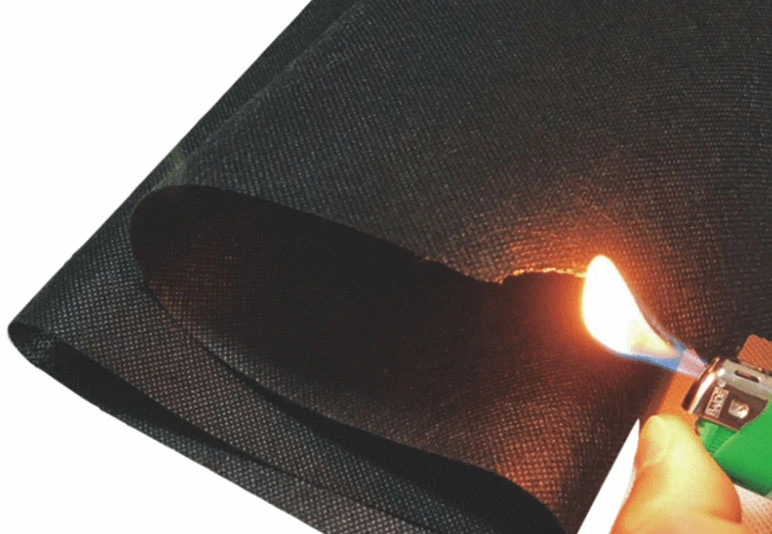
Common Applications of Polypropylene Masterbatch
Advantages of Polypropylene Masterbatch
Excellent compatibility with PP products
Superior dispersion performance
Good thermal stability
Minimal impact on mechanical properties
Suitable for high-temperature processing
What Is PE Masterbatch?
PE masterbatch(polyethylene masterbatch) uses polyethylene resin as the carrier system. It is commonly used in film production, blow molding, and flexible packaging applications.
PE carriers are particularly popular in industries where flexibility, softness, and ease of processing are important.
Common Applications of PE Masterbatch
Blown films
Cast films
Shopping bags
Agricultural films
Stretch films
Pipes
Cables
Flexible packaging
Advantages of PE Masterbatch
PP vs PE Masterbatch: Technical Comparison
| Property | PP Masterbatch | PE Masterbatch |
|---|
| Carrier Resin | Polypropylene | Polyethylene |
| Heat Resistance | Higher | Lower |
| Rigidity | Higher | Lower |
| Flexibility | Moderate | Excellent |
| Film Applications | Limited | Excellent |
| Injection Molding | Excellent | Good |
| Nonwoven Applications | Excellent | Limited |
| Processing Temperature | Higher | Lower |
Why Carrier Compatibility Matters
One of the most common mistakes buyers make is selecting a masterbatch solely based on color performance or price without considering carrier compatibility.
Although some polymers can tolerate limited cross-compatibility, using an incompatible carrier may result in:
For example, using PE carrier masterbatch in high-performance PP nonwoven production may negatively affect fiber quality and processing stability.
When Should You Choose Polypropylene Masterbatch?
A polypropylene masterbatch is generally the preferred choice whenever the final product is primarily made from polypropylene.
Recommended Applications
Why PP Carrier Works Better
Because the carrier resin matches the base polymer, it promotes uniform dispersion and helps preserve the original mechanical properties of the finished product.
When Should You Choose PE Masterbatch?
PE carrier systems are often the best option for polyethylene-based products and flexible applications.
Recommended Applications
LDPE films
LLDPE films
HDPE containers
Agricultural films
Flexible packaging
Shopping bags
Shrink films
Why PE Carrier Works Better
PE-based masterbatch integrates more effectively with polyethylene products and supports the flexibility and processing characteristics required in film production.
Can PP and PE Masterbatch Be Used Interchangeably?
In some applications, limited substitution may be possible. However, this depends on:
Base resin composition
Processing conditions
Performance requirements
Regulatory standards
For high-performance applications, especially medical, automotive, and industrial products, using a carrier resin that matches the primary polymer is generally recommended.
Cost Comparison: PP vs PE Masterbatch
| Factor | PP Masterbatch | PE Masterbatch |
|---|
| Raw Material Cost | Market Dependent | Market Dependent |
| Processing Efficiency | High for PP Products | High for PE Products |
| Dispersion Quality | Excellent in PP | Excellent in PE |
| Waste Reduction | Better Compatibility | Better Compatibility |
| Long-Term Cost | Often Lower | Often Lower |
The lowest purchase price does not always result in the lowest production cost. Compatibility-related defects can quickly outweigh any initial savings.
Questions Buyers Frequently Ask
Does polypropylene masterbatch work in PE film production?
In some cases it may process successfully, but performance and dispersion may not be optimal. Production trials are recommended before implementation.
Can one universal carrier work for multiple polymers?
Some universal masterbatch formulations exist, but they typically involve performance compromises compared with polymer-specific carriers.
Is carrier resin more important than pigment quality?
Both are important. Even premium pigments may perform poorly if the carrier resin is incompatible with the base polymer.
How can buyers verify compatibility?
The most reliable approach is to conduct production trials using actual processing conditions and end-product requirements.
How to Select the Right Masterbatch Supplier
When evaluating suppliers, buyers should look beyond color samples and pricing.
Important factors include:
A knowledgeable supplier can often help optimize formulations and reduce overall production costs.
Final Recommendation
The decision between PP and PE masterbatch should be based primarily on the polymer used in the final product. In most situations, selecting a carrier resin that matches the base material provides the best dispersion, processing stability, and finished-product performance.
For nonwoven fabrics, meltblown materials, spunbond production, injection molding applications, and rigid polypropylene products, polypropylene masterbatch is usually the preferred solution. For film production, flexible packaging, agricultural films, and polyethylene-based products, PE masterbatch typically delivers better compatibility and processing performance.
Before placing large-volume orders, manufacturers should conduct production trials and evaluate not only color performance but also compatibility, processing efficiency, mechanical properties, and total manufacturing cost.
 English