Selecting the right non woven masterbatch is critical for achieving consistent product quality, production efficiency, and end-use performance in nonwoven fabric manufacturing. While both spunbond and meltblown technologies use polypropylene as their primary raw material, their processing requirements and performance objectives differ significantly.
As a result, manufacturers often require different masterbatch formulations for spunbond and meltblown production lines. Choosing the wrong masterbatch can lead to fiber breakage, poor dispersion, unstable processing, reduced fabric quality, and even costly production downtime.
Understanding the differences between spunbond and meltblown masterbatch helps buyers make better purchasing decisions and optimize both product performance and manufacturing costs.
What Is Non Woven Masterbatch?
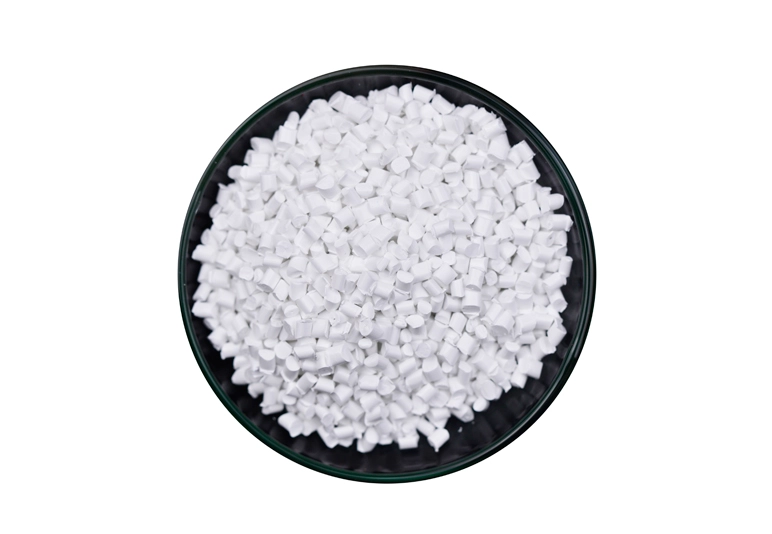
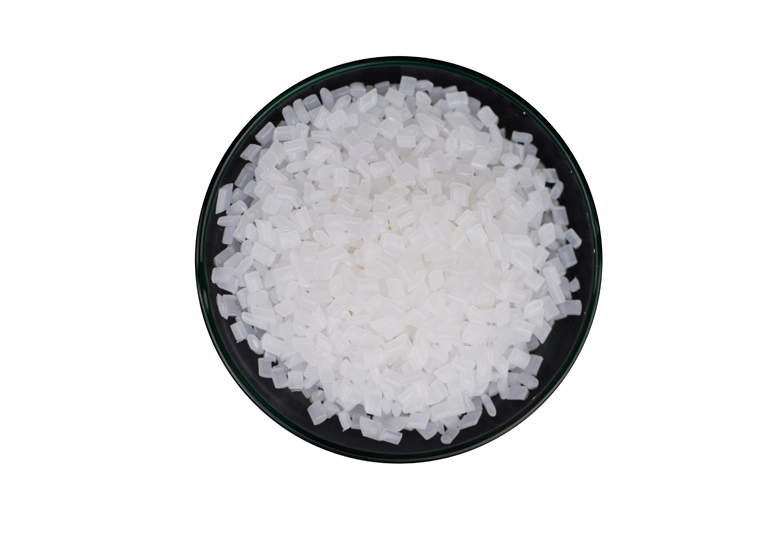
A non woven masterbatch is a concentrated additive blend designed specifically for nonwoven fabric production. It is typically added to polypropylene resin during extrusion to provide desired properties such as:
The formulation must be carefully matched to the specific nonwoven manufacturing process.
Understanding Spunbond and Meltblown Technologies
What Is Spunbond Nonwoven?
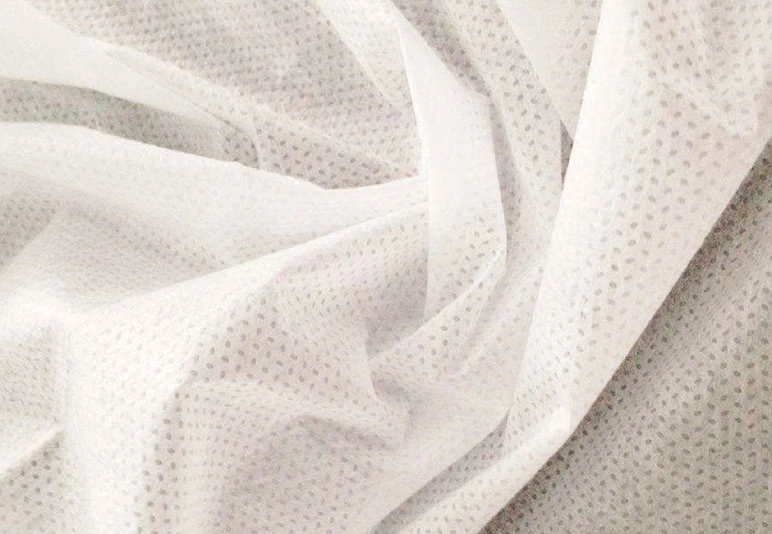
Spunbond nonwoven fabric is produced by extruding molten polypropylene through spinnerets to form continuous filaments. These filaments are stretched, cooled, and bonded together to create strong and durable fabrics.
Spunbond materials are known for:
Common applications include:
Medical gowns
Protective clothing
Shopping bags
Agricultural fabrics
Furniture materials
Geotextiles
What Is Meltblown Nonwoven?
Meltblown fabric is produced using extremely fine fibers created by high-velocity hot air streams. The resulting microfibers form a dense web structure capable of capturing microscopic particles.
Meltblown fabrics are valued for:
High filtration efficiency
Fine fiber diameter
Excellent particle capture
Low basis weight
Superior barrier performance
Typical applications include:
Why Different Masterbatches Are Required?
Although both technologies process polypropylene, their operating conditions differ substantially.
| Factor | Spunbond | Meltblown |
|---|
| Fiber Diameter | 15-40 μm | 1-5 μm |
| Production Speed | Very High | High |
| Air Usage | Low | Extremely High |
| Strength Requirement | High | Moderate |
| Filtration Requirement | Low to Medium | Very High |
These differences mean that the ideal non woven masterbatch formulation for one process may not perform optimally in the other.
Characteristics of Spunbond Masterbatch
Spunbond production emphasizes mechanical strength, processing stability, and high output rates.
Key Requirements
Excellent dispersion
Low filter pressure increase
Good thermal stability
High compatibility with polypropylene
Minimal impact on filament strength
Typical Additives Used
Main Objective
Maintain stable production while preserving filament strength and fabric uniformity.
Characteristics of Meltblown Masterbatch
Meltblown production focuses on filtration performance and ultrafine fiber formation.
Key Requirements
Typical Additives Used
Main Objective
Achieve fine fiber formation while maintaining high filtration efficiency and low pressure drop.
Spunbond vs Meltblown Masterbatch Comparison
| Feature | Spunbond Masterbatch | Meltblown Masterbatch |
|---|
| Primary Focus | Strength | Filtration |
| Dispersion Requirement | High | Very High |
| Fiber Sensitivity | Moderate | Extremely High |
| Electret Compatibility | Usually Optional | Critical |
| Production Stability | High Priority | High Priority |
| Processing Window | Wider | Narrower |
Can the Same Masterbatch Be Used for Both?
In some cases, a universal non woven masterbatch can be used across both spunbond and meltblown production lines. However, this approach often involves performance compromises.
For manufacturers producing high-quality medical or filtration products, process-specific masterbatch formulations typically deliver better results.
Dedicated formulations help maximize:
Which Masterbatch Is Better for SMS Nonwoven Production?
SMS (Spunbond-Meltblown-Spunbond) fabrics combine the advantages of both technologies. Therefore, SMS manufacturers often use specially designed masterbatch systems compatible with both layers.
These formulations must balance:
For medical-grade SMS materials, electret-compatible masterbatch solutions are often essential.
Important Purchasing Considerations
Production Line Type
Always provide detailed equipment specifications when requesting quotations. Different line manufacturers may require different formulations.
End Product Requirements
A medical mask producer has very different needs compared with a furniture fabric manufacturer.
Addition Rate
Compare not only price per kilogram but also recommended dosage levels.
Certification Requirements
Medical and hygiene products often require compliance with specific regulatory standards.
Long-Term Supply Stability
Consistent batch quality is often more valuable than obtaining the lowest initial purchase price.
Frequently Asked Questions
Which process requires more sophisticated masterbatch technology?
Meltblown production generally has stricter requirements because ultrafine fibers are more sensitive to formulation quality.
Can color masterbatch be used in meltblown fabrics?
Yes, but the formulation must be optimized to avoid negatively affecting fiber formation and filtration performance.
Why is dispersion so important?
Poor dispersion can create gels and defects that lead to broken fibers, unstable production, and reduced fabric quality.
Does higher masterbatch loading always improve performance?
No. Excessive addition can negatively affect mechanical properties, filtration performance, and processing stability.
Final Thoughts
The choice between spunbond and meltblown masterbatch should be driven by production technology, product requirements, and long-term operational goals. While both fall under the category of non woven masterbatch, their formulations are often optimized for very different manufacturing environments.
For spunbond applications, focus on strength, process stability, and durability. For meltblown applications, prioritize dispersion quality, filtration performance, and electret compatibility. Manufacturers producing SMS materials should seek balanced formulations specifically engineered for multilayer structures.
Working closely with an experienced masterbatch supplier and conducting production trials before large-scale purchasing can significantly reduce risk while improving product quality and profitability.
 English