Choosing the right electret masterbatch is one of the most important decisions when manufacturing high-performance filtration materials, especially meltblown and spunbond nonwoven fabrics used in medical masks, respirators, air filters, HVAC systems, and industrial filtration products.
Different electret technologies provide different charge retention characteristics, filtration efficiency levels, production costs, and long-term performance. Among the most widely used solutions today are Water Electret Masterbatch, Corona Electret Masterbatch, and Chemical Electret Masterbatch.
The best option depends on your filtration target, production process, regulatory requirements, and cost considerations. Water electret technology is often preferred for high-efficiency mask applications, corona electret technology remains popular due to its flexibility and low material cost, while chemical electret technology offers long-lasting charge retention for demanding filtration environments.
What Is Electret Masterbatch?
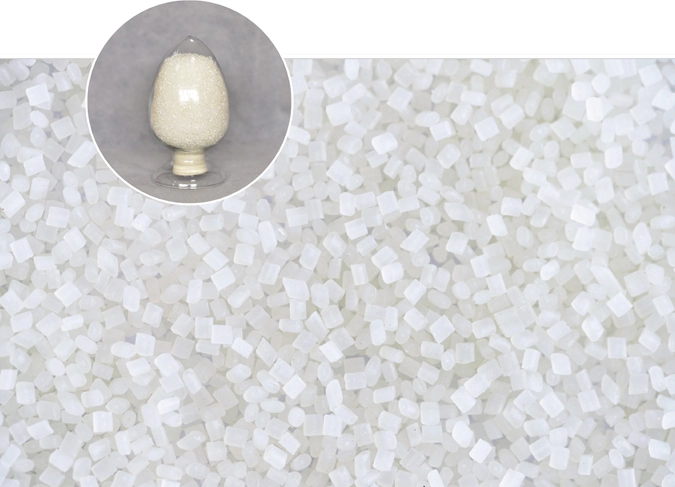
Electret masterbatch is a functional additive used in polypropylene meltblown and spunbond nonwoven production. It enables filter media to store electrostatic charges that attract and capture microscopic particles without significantly increasing airflow resistance.
By incorporating an appropriate electret masterbatch, manufacturers can achieve:
Higher filtration efficiency
Lower pressure drop
Improved breathing comfort
Longer service life
Better particle capture performance
Electret technology is especially important for products such as:
| Type | Charging Mechanism | Typical Applications |
|---|
| Water Electret | Water-assisted charge trapping | Medical masks, respirators |
| Corona Electret | External corona charging equipment | General filtration products |
| Chemical Electret | Charge storage through additives | Long-life filtration systems |
What Is Water Electret Masterbatch?
Water electret technology introduces specially designed additives that interact with water molecules during processing. The resulting microstructure creates deep charge traps capable of storing electrostatic charges for extended periods.
Many premium mask manufacturers use water electret solutions because they can achieve high filtration efficiency while maintaining low airflow resistance.
Advantages of Water Electret Masterbatch
Excellent filtration efficiency
Good charge stability
Lower pressure drop
Suitable for N95 and medical masks
Compatible with high-speed meltblown lines
Limitations
Higher additive cost than standard solutions
Process optimization may be required
Performance depends on production consistency
Best Applications
What Is Corona Electret Masterbatch?
Corona electret systems rely on external corona charging equipment after the nonwoven fabric is produced. High-voltage electrical discharge deposits charges onto the filter media surface, enhancing particle capture capability.
This approach has been used for decades and remains common in many filtration production facilities worldwide.
Advantages of Corona Electret Masterbatch
Lower material cost
Mature technology
Flexible charging adjustment
Widely available equipment
Suitable for many filtration grades
Limitations
Additional charging equipment required
Higher energy consumption
Charge decay may occur faster under harsh conditions
Additional production step increases complexity
Best Applications
General-purpose filters
Disposable masks
HVAC filtration media
Industrial air filters
What Is Chemical Electret Masterbatch?
Chemical electret masterbatch uses specially engineered charge-storage additives that create permanent or semi-permanent charge trapping sites inside polypropylene fibers.
Unlike corona charging, the electrostatic effect is generated through the material formulation itself, often resulting in superior long-term charge retention.
Advantages of Chemical Electret Masterbatch
Excellent charge retention
Long service life
Reduced dependence on external charging
Good resistance to environmental aging
Suitable for demanding filtration systems
Limitations
Best Applications
Water Electret vs Corona Electret vs Chemical Electret: Comparison Table
| Factor | Water Electret | Corona Electret | Chemical Electret |
|---|
| Filtration Efficiency | Excellent | Good | Excellent |
| Charge Retention | Very Good | Moderate | Excellent |
| Production Complexity | Medium | High | Medium |
| Equipment Investment | Low | High | Low |
| Material Cost | Medium | Low | High |
| Long-Term Stability | Good | Moderate | Excellent |
| Medical Mask Use | Excellent | Good | Good |
| Industrial Filters | Good | Good | Excellent |
How to Choose the Right Electret Masterbatch?
If You Produce Medical Masks
Water electret masterbatch is often the preferred choice because it combines high filtration efficiency, low pressure drop, and strong production scalability.
If You Already Have Corona Charging Equipment
Corona electret solutions may offer the most cost-effective approach, particularly when existing infrastructure is already installed.
If Long-Term Filter Performance Is Critical
Chemical electret masterbatch generally delivers the best charge retention and long-term filtration stability.
If You Need the Lowest Production Cost
Corona electret technology usually provides the lowest initial material investment, although equipment and operating costs should also be considered.
Common Purchasing Questions from Filter Manufacturers
Can one electret masterbatch work on all meltblown lines?
Not always. Different meltblown equipment, resin grades, and processing conditions can influence electret performance. Trial testing is strongly recommended before large-scale production.
Does electret performance decrease over time?
Yes. All electret systems experience some level of charge decay. However, high-quality formulations can significantly reduce performance loss during storage and use.
Can electret masterbatch improve filtration without increasing basis weight?
Yes. This is one of the primary benefits of electret technology. Proper charge retention allows higher filtration efficiency while maintaining lightweight nonwoven structures.
Which electret technology is best for N95 mask production?
Many N95 manufacturers prefer water electret solutions because they provide an effective balance of filtration performance, breathability, and production efficiency.
Final Recommendation
There is no universal answer when selecting between Water Electret, Corona Electret, and Chemical Electret technologies. The optimal electret masterbatch depends on your target filtration standard, equipment configuration, product lifespan requirements, and cost objectives.
For medical masks and respirators, water electret technology is frequently the preferred solution. For manufacturers seeking lower material costs and already operating charging equipment, corona electret systems remain highly practical. For long-life filtration products requiring superior charge retention, chemical electret masterbatch often delivers the highest long-term value.
Before committing to large-volume purchases, manufacturers should evaluate filtration efficiency, pressure drop, charge retention performance, processing compatibility, and total production cost through pilot-scale testing under actual operating conditions.
 English