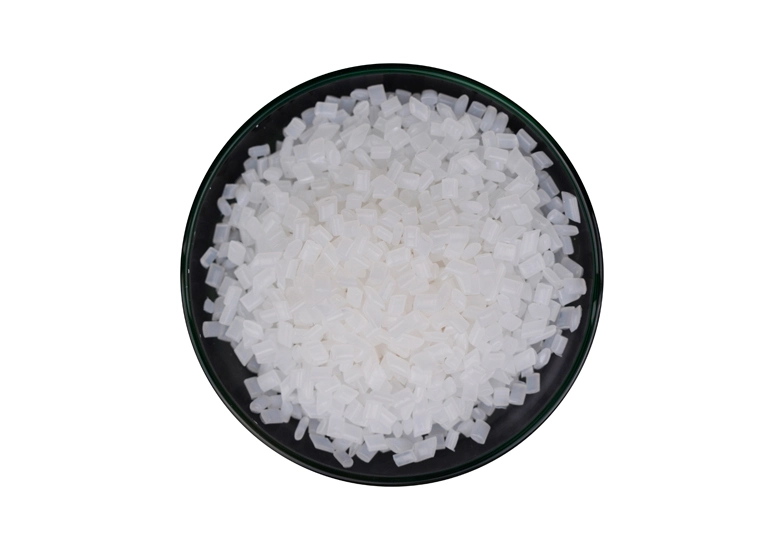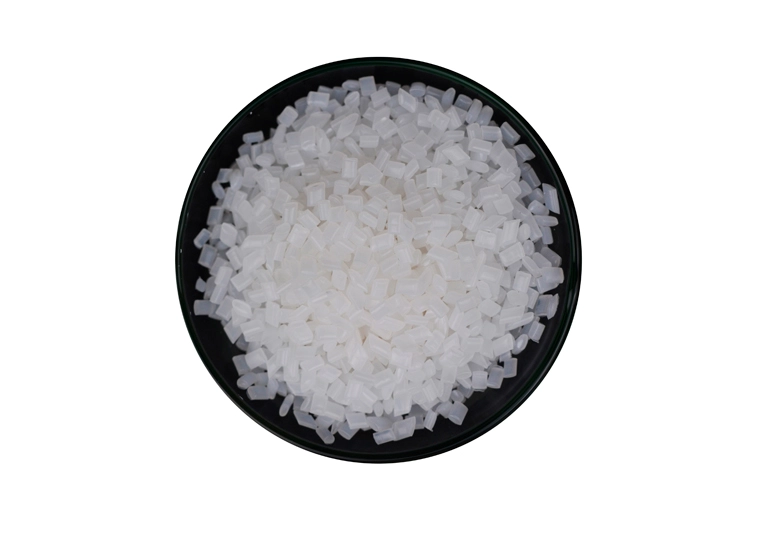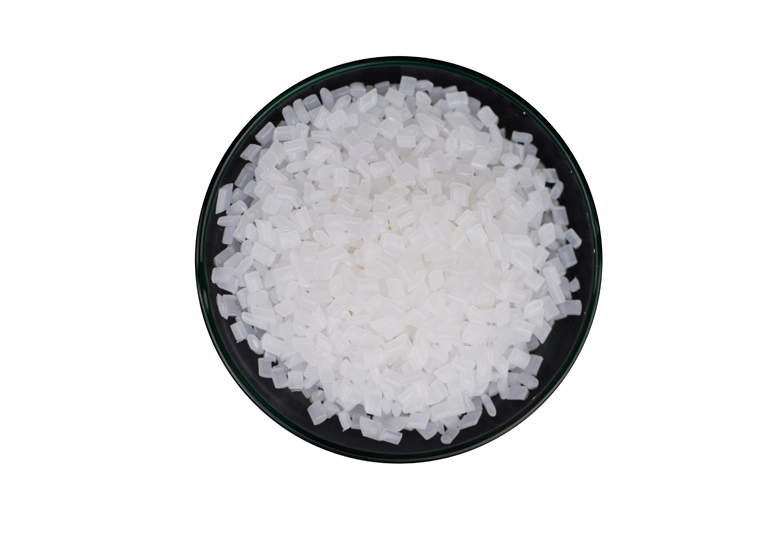
Manufacturers seeking to improve the appearance, performance, or cost efficiency of transparent plastic products often encounter two common material solutions: transparent masterbatch and transparent filler. Although both are widely used in plastic processing, they serve very different purposes and should not be considered interchangeable.
Choosing the wrong material can lead to reduced transparency, poor mechanical properties, processing difficulties, and increased production costs. Understanding the differences between transparent masterbatch and transparent filler is essential for selecting the right solution for packaging, household products, medical applications, and consumer goods.
The ideal choice depends on whether your primary goal is improving product appearance, enhancing functionality, reducing costs, or achieving a balance between all three.
What Is Transparent Masterbatch?
Transparent masterbatch is a concentrated additive formulation designed to improve the optical properties of plastic products while maintaining high transparency and clarity.
It typically contains:
Transparent masterbatch is commonly used in polypropylene products where improved transparency is desired without significantly affecting mechanical properties.
Main Functions of Transparent Masterbatch
What Is Transparent Filler?
Transparent filler is typically a mineral-based additive used to partially replace resin while maintaining acceptable transparency levels.
Unlike transparent masterbatch, the primary objective of transparent filler is often cost reduction rather than optical enhancement.
Depending on the formulation, transparent fillers may contain:
Main Functions of Transparent Filler
Reduce raw material costs
Increase stiffness
Improve dimensional stability
Reduce shrinkage
Maintain acceptable transparency
| Factor | Transparent Masterbatch | Transparent Filler |
|---|
| Main Purpose | Improve transparency | Reduce cost |
| Optical Performance | Excellent | Moderate |
| Gloss Improvement | High | Limited |
| Material Savings | Limited | High |
| Mechanical Impact | Minimal | Application Dependent |
| Appearance Quality | Premium | Acceptable |
| Cost Reduction | Low | Significant |
How Transparent Masterbatch Works
Many polypropylene products naturally exhibit a certain degree of haze due to crystal formation during cooling.
A high-quality transparent masterbatch modifies the crystallization process by promoting the formation of smaller and more uniform crystal structures.
This results in:
The technology is particularly important in packaging and consumer products where appearance directly influences purchasing decisions.
How Transparent Filler Works
Transparent filler systems use carefully engineered mineral particles with optical properties designed to minimize visible transparency loss.
The goal is not necessarily to maximize transparency but rather to achieve a practical balance between appearance and cost reduction.
By replacing a portion of the virgin resin, manufacturers can lower production costs while maintaining acceptable product quality.
When Should You Choose Transparent Masterbatch?
Transparent masterbatch is typically recommended when appearance and optical performance are top priorities.
Ideal Applications
Key Benefits
When Should You Choose Transparent Filler?
Transparent filler is often the better choice when cost control is a major consideration.
Ideal Applications
Disposable packaging
Industrial containers
General household products
Injection molded parts
Commodity plastic products
Cost-sensitive applications
Key Benefits
Lower production cost
Reduced resin consumption
Improved rigidity
Enhanced dimensional stability
Higher profitability in commodity markets
Can Transparent Masterbatch and Transparent Filler Be Used Together?
Yes. Many manufacturers combine both materials to achieve a balance between product appearance and cost efficiency.
A common strategy is:
Transparent masterbatch improves optical performance.
Transparent filler reduces resin consumption.
The combined formulation optimizes overall economics.
However, the ratio must be carefully optimized through production testing.
Performance Comparison by Application
| Application | Recommended Solution |
|---|
| Premium Food Packaging | Transparent Masterbatch |
| Medical Packaging | Transparent Masterbatch |
| High-End Consumer Products | Transparent Masterbatch |
| Cost-Sensitive Packaging | Transparent Filler |
| Commodity Plastic Products | Transparent Filler |
| Balanced Performance and Cost | Combination Solution |
Cost Analysis: Which Option Provides Better Value?
The answer depends entirely on product positioning.
For premium products where appearance influences purchasing decisions, transparent masterbatch often generates greater value despite its higher cost.
For commodity products where buyers focus primarily on price, transparent filler may provide stronger profitability by significantly reducing raw material expenses.
Manufacturers should evaluate:
Frequently Asked Questions
Will transparent filler reduce transparency?
In most cases, some reduction in transparency occurs. The extent depends on filler type, particle size, loading level, and product thickness.
Can transparent masterbatch completely eliminate haze?
No additive can completely eliminate haze in all circumstances, but high-quality transparent masterbatch can significantly improve clarity and appearance.
Which material offers better mechanical properties?
Transparent masterbatch generally has less impact on mechanical performance because it is used at relatively low addition rates.
Is transparent filler suitable for food packaging?
It can be suitable if the formulation complies with applicable food-contact regulations and performance requirements.
How should manufacturers determine the optimal dosage?
Pilot production trials are recommended to balance transparency, mechanical performance, and production cost.
What Buyers Should Ask Before Purchasing
Before selecting a supplier, buyers should request:
Technical data sheets
Transparency test results
Haze measurement data
Recommended loading levels
Food-contact compliance information
Production trial samples
These evaluations help ensure the selected material meets both performance and commercial objectives.
Final Recommendation
The choice between transparent masterbatch and transparent filler should be guided by your product goals rather than material price alone.
If transparency, gloss, and premium appearance are critical, transparent masterbatch is usually the preferred solution. If reducing resin consumption and controlling production costs are the primary objectives, transparent filler often delivers greater economic benefits.
For many manufacturers, the most effective approach is a carefully optimized combination of both materials. By balancing optical performance, mechanical properties, and material costs, companies can improve product competitiveness while maximizing profitability.
Working with an experienced masterbatch supplier and conducting real production trials remains the most reliable way to determine the best formulation for your specific application.
 English